Why Rakhi Holds Cultural Significance In Indian Homes Across Every Generation
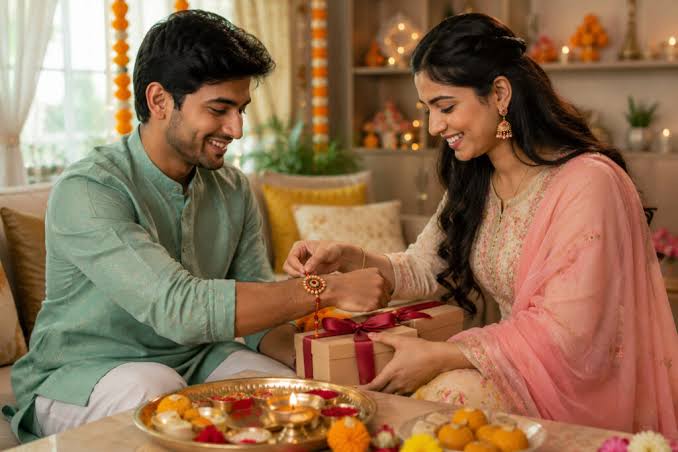
Even before gift boxes, online deliveries and family photographs filled our phones, Raksha Bandhan was about a simple thread tied with gratitude and warm smiles. A lot of us still remember, for our siblings to arrive, the aroma of homemade sweets drifting from the kitchen and elders reminding everyone to gather before the ceremony begins. Hence, Rakhi has always been more than a festival. It carries family stories, shared traditions and memories that gently pass from one generation to the next without anyone needing to teach them.
Why Does Rakhi Continue to Connect Every Generation?
Every Raksha Bandhan leaves behind new memories, while quietly bringing back old ones that families never really forget.
● Grandparents often remember when rakhis were handmade at home with colourful threads and patience.
● For many parents, the festival is less about gifts and more about seeing the family under one roof again.
● Children usually count down to the sweets first. The meaning of the rituals comes later, almost without them realising it.
● Even if siblings now live in different cities or countries, one rakhi arriving in the post is enough to make the day feel familiar.
● Every generation celebrates differently, yet the feeling remains surprisingly unchanged.
How Do Different Indian Families Celebrate Rakhi?
The heart of the festival stays the same, but the little details often change from one home to the next.
● Some families begin the morning with prayers before anyone even touches the sweets.
● In Rajasthan, many married women also tie a Lumba Rakhi for their sisters-in-law.
● A homemade lunch is the highlight in some households, while others gather only in the evening after work.
● Brothers and sisters living far away now celebrate through video calls, yet the ritual still feels complete.
● Every family adds its own traditions, and that is often what children remember long after the day is over.
How Has the Meaning of Rakhi Changed with Time?
The rituals have stayed almost familiar, but what people celebrate through Rakhi has gradually grown with every generation.
From Ritual to Relationship
Years ago, the day centred almost entirely around traditional customs at home. Today, those rituals still matter, but many families see them as a reason to pause, meet, and spend time together in a world that does not really slow down.
Beyond Brothers and Sisters
Rakhi is no longer limited to one relationship. Cousins, sisters-in-law, close friends and even people who have become family through years of companionship are often included. This makes the festival feel more inclusive than before.
Distance Has Changed the Celebration
Not every sibling can make it home anymore. Some wait for a courier, whereas others celebrate over a video call, yet the excitement of seeing the rakhi arrive has not changed. The thread still carries the same emotions, even when it travels thousands of kilometres to reach you.
The Tradition Keeps Growing
Each generation introduces something of its own, whether it is a handwritten letter, a favourite dessert or an exciting gift. Thus, the heart of the festival remains unchanged, but every family shapes it in its own way.
What Values Does Rakhi Teach Children and Families?
The festival passes on the following lessons even after the celebrations are over.
● For instance, Rakhi conveys that caring for one another matters far more than expensive gifts.
● Children grow up watching small gestures of respect between siblings and elders.
● Sharing a meal and laughing together with family becomes a tradition in itself.
● The festival reminds everyone that relationships need attention, not just occasions.
● Gratitude finds its own place during the celebrations, something that does not need to be spoken out loud.
● Above all, Rakhi teaches that love, responsibility and togetherness are strengthened through small moments shared year after year.
Conclusion
The meaning of Rakhi has never depended on how grand the celebration is. Instead, it has lived in the rituals that families return to, through shared stories, and the comfort of knowing someone will always be there for you. Also, times have changed, and celebrations look very different today. The feeling, however, has stayed intact. That simple thread still brings people home, starts old conversations again, and reminds every generation that some traditions never lose their place in the family.