
Open Access and Mold Handling: A Rising Priority in Modern C-frame Rubber Molding
Rubber molding tasks are becoming more varied as manufacturers handle smaller batches, tighter tolerances, and more complex mold changes. In these conditions, machine layout matters alongside clamping force and injection control. Open access around the mold area can shorten handling steps and give operators more room during setup and maintenance.
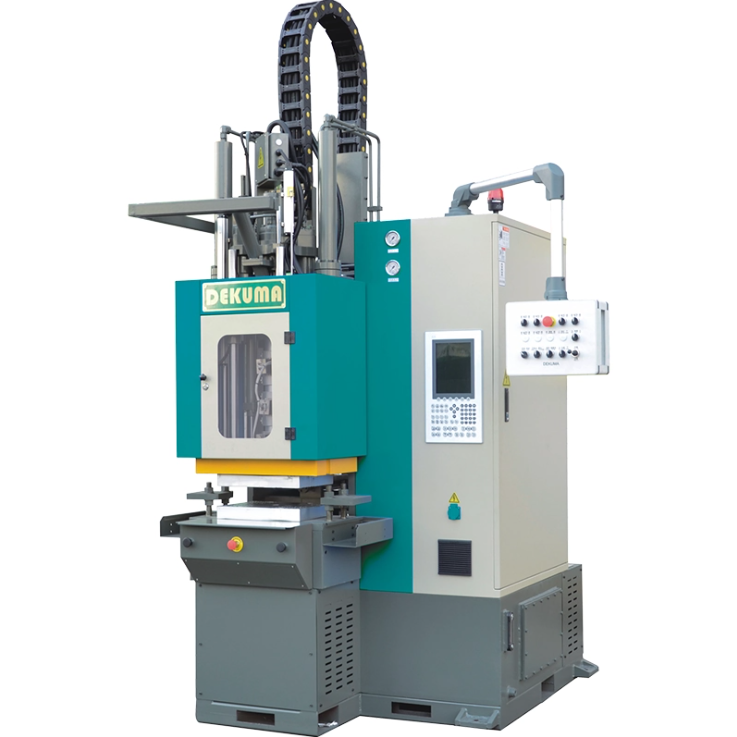
This is why the C-frame rubber injection molding machine is receiving attention where mold access and precise material control are both important. The open structure can support easier interaction with the mold while allowing controlled injection and clamping cycles.
Why Mold Access Matters More Than Before
Mold handling affects several stages of rubber production. Operators need space to install tooling, inspect cavities, clean mold surfaces, remove finished parts, and check inserts. Limited access can slow these tasks, especially when molds are changed frequently or components must be positioned by hand.
A C-frame structure gives access from three sides of the clamping area. This can make mold loading and part removal easier because workers are not restricted to one side. It can also support auxiliary devices for insert placement, automation, or special unloading methods.
Three-side access can reduce the need to approach the mold from a single fixed direction, depending on the workstation layout and handling procedure. This is relevant in workshops producing sealing components, corner joints, and other precision rubber parts, where tooling work may be frequent and production organization needs flexibility.
Machine Layout and Process Control Must Work Together
Open access alone does not define machine performance. Rubber injection also depends on material preparation, dosing consistency, nozzle movement, and injection stability. The machine layout should support mold handling without creating unnecessary compromises in these process areas.
One example is a C-frame hydraulic press machine that combines a C-frame clamping arrangement with separated plasticizing and injection functions. Separating these stages allows material preparation and injection to be managed as distinct steps, which can support stable dosing for precision molding work.
The liftable nozzle can rise during vulcanization to help reduce material backflow and stress, while precise dosing supports consistent material delivery.
Applications That Benefit From Three-Side Access
Three-side access is useful when a molded part requires manual inserts, frequent mold checks, or complex removal. Sealing strip corner joints are one example. These parts need careful positioning because the molded section connects existing profiles and must fit the intended geometry.
Precision sealing parts can also benefit from an open clamping zone. Operators may need to inspect cavities, remove small molded components, or adjust inserts between cycles. In these cases, a C-frame rubber injection molding machine can provide a more accessible working area than layouts that surround the mold from more directions.
The same principle applies to production cells that combine molding equipment with handling tools. Open access gives system designers more freedom when planning fixtures, manipulators, or automation. The machine still needs to match the mold size, material behavior, and production cycle.
How the RC Series Fits This Type of Production
For sealing strip corner joints, sealing parts, and precision rubber components, Dekuma offers the RC Series Rubber Injection Molding Machine. Its design combines three-side C-frame access with separated plasticizing and injection, precise dosing, and a liftable nozzle.
The RC Series also uses a modular design. This can be useful when manufacturers need equipment configured around a specific product or production arrangement. Modular construction does not replace process evaluation, but it can provide flexibility when molds, feeding methods, or auxiliary functions differ between projects.
In this context, the machine is not only a C-frame hydraulic press machine for applying clamping force. Its structure also supports mold access and material control within the same production task. That combination is relevant when manufacturers want to improve mold handling without separating it from injection accuracy and repeatable dosing.
What Buyers Should Review Before Selection
Before choosing a C-frame solution, buyers should review the molded part and the mold. Part dimensions, insert requirements, cavity arrangement, and demolding direction influence whether three-side access will be practical. Mold weight and change frequency should also be considered.
The next step is to review the rubber process. Material viscosity, shot size, plasticizing behavior, injection sequence, and dosing requirements affect machine selection. A C-frame rubber injection molding machine may suit the layout, but the injection unit must still match the material and part requirements.
Buyers should also examine how the machine will fit into the production area. Space for operators, mold transport, maintenance access, and auxiliary equipment should be planned before installation. Buyers should compare the machine configuration with the intended process rather than focusing on one structural feature alone.
A Practical Direction for Modern Rubber Molding
Open mold access is becoming a more important design consideration because production teams need equipment that supports process control and practical handling. Three-side access can simplify tooling work, part removal, inspection, and integration with supporting equipment, especially in precision rubber molding applications.
For manufacturers assessing a C-frame hydraulic press machine, the key question is not simply whether the frame is open. A stronger evaluation considers whether access, dosing, plasticizing, injection, nozzle movement, mold requirements, and shop-floor handling work together as one production system. This keeps equipment selection tied to real molding tasks rather than machine layout alone.


